Rwanda Wildlife Safaris Beyond Gorilla Trekking
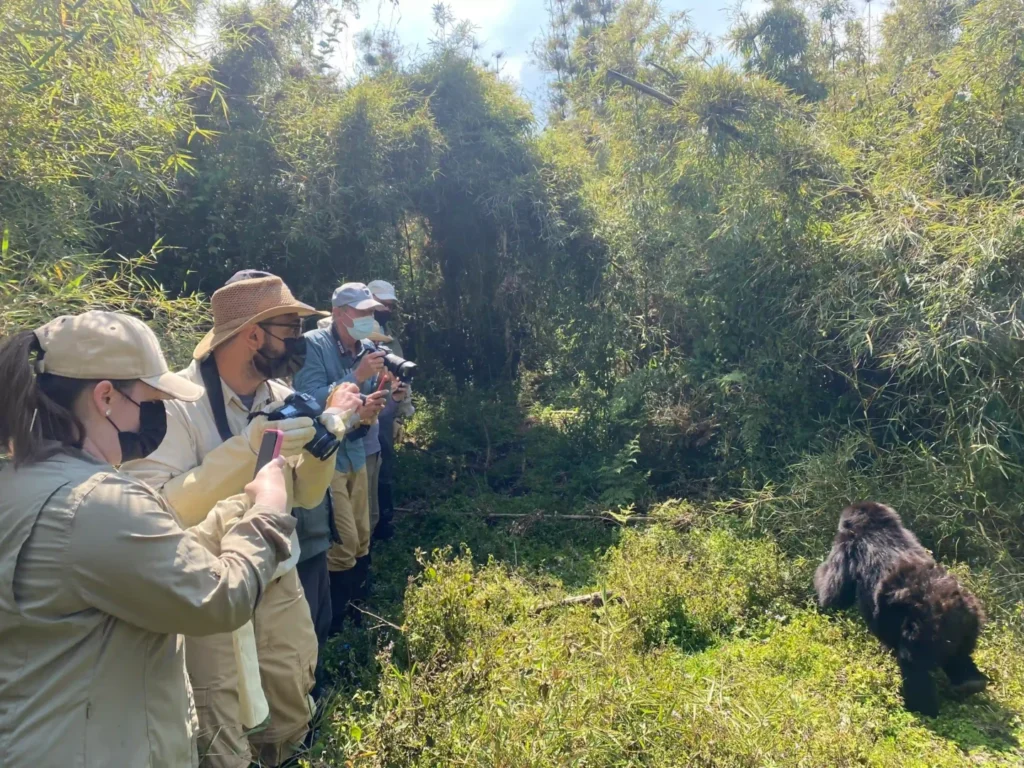
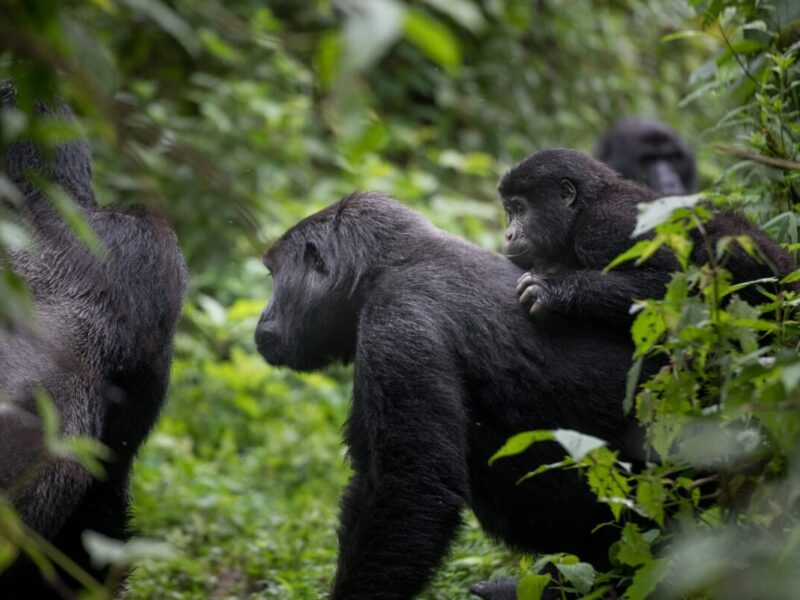
Rwanda Wildlife Safaris Beyond Gorilla Trekking. When most travellers think of Rwanda, the image that comes to mind is almost always the same — misty volcanic slopes, dense rainforest, and the humbling encounter with a mountain gorilla family in Volcanoes National Park. And while gorilla trekking is undeniably one of the most profound wildlife experiences on Earth, Rwanda holds a remarkable collection of ecosystems, wildlife species, and safari opportunities that stretch far beyond those forested hillsides. The Land of a Thousand Hills is, in fact, one of Africa’s most diverse and rewarding safari destinations — small in size but extraordinary in depth. If you are planning a Rwanda safari and want to make the most of your time in this fascinating country, here is what awaits you beyond the gorillas.
Akagera National Park — Rwanda’s Big Five Savannah Safari
Tucked along the eastern border with Tanzania, Akagera National Park is Rwanda’s only savannah ecosystem and one of Africa’s great conservation success stories. Once heavily poached and severely degraded, the park has undergone a remarkable revival over the past decade. Lions were reintroduced in 2015, black rhinos followed in 2017, and elephants, leopards, and buffaloes were already thriving. Today, Akagera holds the Big Five — making it one of the few places in East Africa where you can track mountain gorillas and complete a Big Five game drive within the same country.
A typical game drive through Akagera reveals rolling savannahs dotted with acacia trees, a complex of interconnected lakes teeming with hippos and Nile crocodiles, and a staggering diversity of over 500 bird species. For those passionate about big five safaris, Akagera delivers a genuinely world-class experience. Boat safaris on Lake Ihema add another dimension, drifting past elephants wading at the water’s edge and flocks of African fish eagles overhead. According to the Rwanda Development Board, conservation revenues generated by Akagera directly fund community development programmes in surrounding villages, making every safari visit a contribution to the park’s long-term future.
Nyungwe Forest National Park — Primates and the Iconic Canopy Walk
In the southwestern highlands of Rwanda, Nyungwe Forest National Park protects one of Africa’s oldest and largest montane rainforests — a 1,019-square-kilometre wilderness that has remained largely intact for millions of years. Nyungwe is home to 13 primate species, including chimpanzees, L’Hoest’s monkeys, Angola colobus monkeys, and olive baboons. Chimpanzee trekking here is exceptional, with habituated groups allowing extraordinary close-range encounters in ancient forest.
What sets Nyungwe apart from any other destination in East and Central Africa is its famous canopy walkway — a suspension bridge stretching 160 metres above the forest floor, offering breathtaking views of the treetop canopy and the valleys below. Nyungwe is also a world-class birdwatching destination, with over 300 species recorded, including 29 Albertine Rift endemics that exist nowhere else on Earth. The African Wildlife Foundation recognises Nyungwe as one of the continent’s most biodiverse and ecologically significant forest habitats, highlighting the critical role it plays as a water tower for the entire Great Lakes region. Travellers combining a primate safari with chimpanzee trekking at Nyungwe and gorilla trekking at Volcanoes will leave Rwanda having experienced two of Africa’s most special primate encounters.
Gishwati-Mukura National Park — Rwanda’s Newest Conservation Frontier
For travellers seeking Rwanda’s most off-the-beaten-path wildlife experience, Gishwati-Mukura National Park represents a genuinely exciting frontier. Created in 2015, this park is the youngest of Rwanda’s four national parks and a powerful symbol of the country’s commitment to forest restoration. The park combines two separate forest blocks — Gishwati and Mukura — which were once reduced to a fraction of their original size due to decades of agricultural encroachment. Today, reforestation efforts are expanding the park’s boundaries annually.
Gishwati is home to chimpanzees, golden monkeys, black-and-white colobus monkeys, and a remarkable variety of bird life. It remains one of the least visited destinations in Rwanda, meaning that travellers who make the effort are often rewarded with genuine solitude and deeply intimate wildlife encounters. The Rwanda Development Board recently signed a 25-year conservation concession for the park, signalling a major investment in its long-term development as a primate trekking and eco-tourism destination.
Volcanoes National Park — There Is Still More Than Gorillas
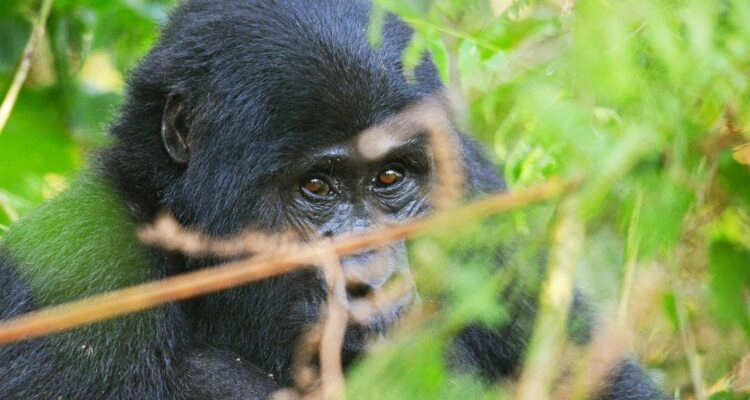
While gorillas are the headline act at Volcanoes National Park, the park offers far more for wildlife enthusiasts willing to look beyond the trekking trails. Golden monkey trekking is one of the park’s most underrated experiences — these vivid, playful primates are endemic to the Virunga Massif and can only be found in a handful of places on Earth. A guided golden monkey trek leads you through bamboo forests alive with their acrobatic movement, leaping through the canopy in flashes of orange and black. The 4 Days Rwanda Gorilla & Golden Monkey Primate Safari pairs both experiences into one seamless adventure from Kigali.
The Virunga volcanoes themselves present excellent hiking opportunities. The summit of Mount Bisoke rewards hikers with a stunning crater lake at its peak, while Mount Karisimbi, the highest of the eight volcanoes at 4,507 metres, offers a challenging two-day ascent for serious trekkers. The official Visit Rwanda website notes that the wider Volcanoes landscape also shelters buffaloes, forest elephants, spotted hyenas, and golden eagles — all potential sightings on extended hikes through the park.
Combining Rwanda With Uganda for the Ultimate East African Safari
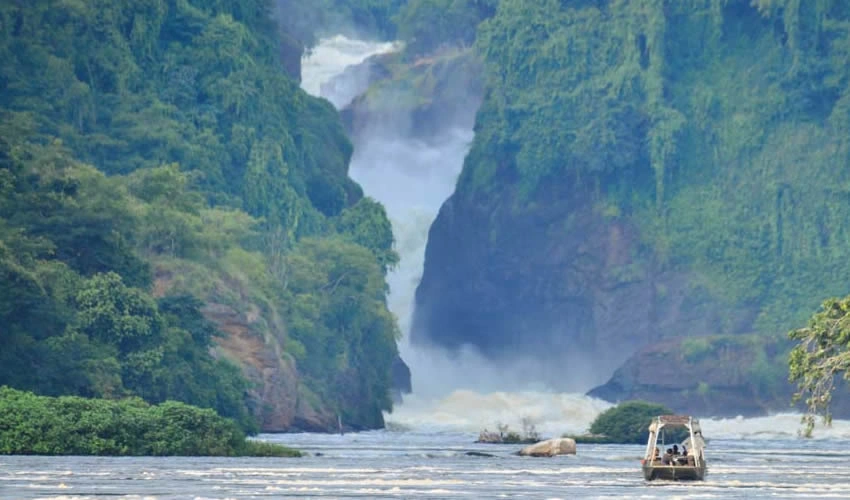
Rwanda’s wildlife richness is best experienced as part of a wider East African safari. Pairing Rwanda’s primates and savannah with Uganda’s iconic Bwindi Impenetrable Forest, Queen Elizabeth National Park, and Murchison Falls creates one of the most complete safari itineraries on the continent. The Uganda and Rwanda Combined Primate Safari is a popular starting point for travellers who want the best of both countries, while those seeking a larger adventure can explore the full range of safari tours across the region.
For travellers short on time or wanting a more exclusive experience, fly-in safari options provide a seamless way to move between Rwanda’s national parks and neighbouring destinations without long overland drives. According to the International Union for Conservation of Nature (IUCN), the Albertine Rift — which spans Rwanda, Uganda, and the DRC — is recognised as one of Africa’s most critical biodiversity hotspots, making this combined safari corridor one of the most ecologically significant wildlife journeys available to travellers anywhere in the world.
Rwanda’s wildlife story is richer, deeper, and more surprising than gorillas alone. From the sweeping savannahs of Akagera to the ancient rainforests of Nyungwe and the emerging wilderness of Gishwati-Mukura, this small country offers an extraordinary breadth of experiences for every type of safari traveller. To start planning your Rwanda wildlife safari, get in touch with our team and let us design an itinerary that goes well beyond the expected.