Uganda Safari Booking Tips to Save Money
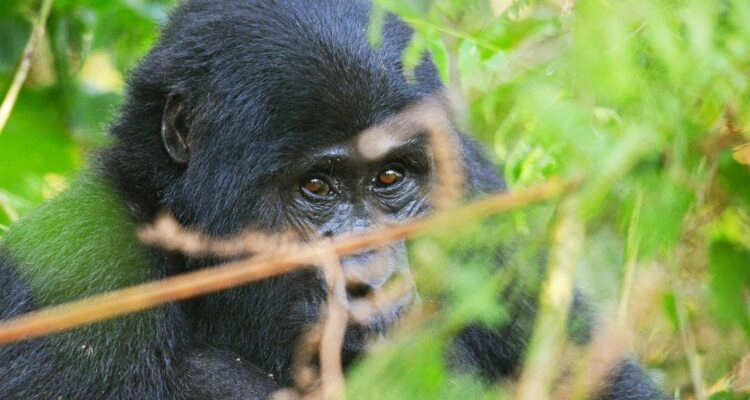
Uganda Safari Booking Tips to Save Money. Planning a Uganda safari is one of the most exciting decisions you will ever make. From tracking mountain gorillas in misty rainforests to watching elephants cross the savannah at golden hour, Uganda offers wildlife encounters that are truly world-class — and often far more affordable than people expect. The secret lies in knowing when to book, what to prioritise, and how to structure your trip smartly. Here are the most effective tips to help you save money without sacrificing the quality of your experience.
Book During the Green Season for Lower Permit and Accommodation Costs
Uganda has two rainy seasons — April to May and October to November. These months are widely considered the “green season,” and while light showers are common, the landscape is lush, waterfalls are dramatic, and wildlife is abundant. Most importantly, lodge rates drop significantly compared to the peak dry season. Gorilla trekking permits — currently priced at $800 per person by the Uganda Wildlife Authority — remain fixed regardless of season, so the savings come almost entirely from accommodation costs, which can drop by 20 to 40 percent during this period. Explore our available safari tours and you will find itineraries that slot perfectly into the green season calendar.
Secure Your Gorilla Trekking Permit Well in Advance
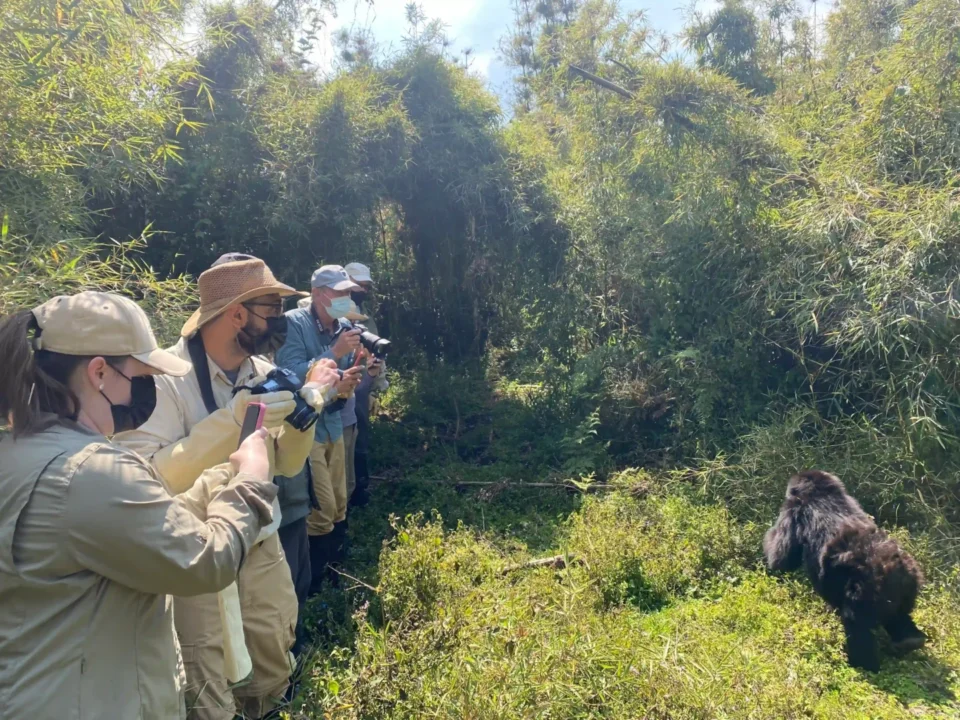
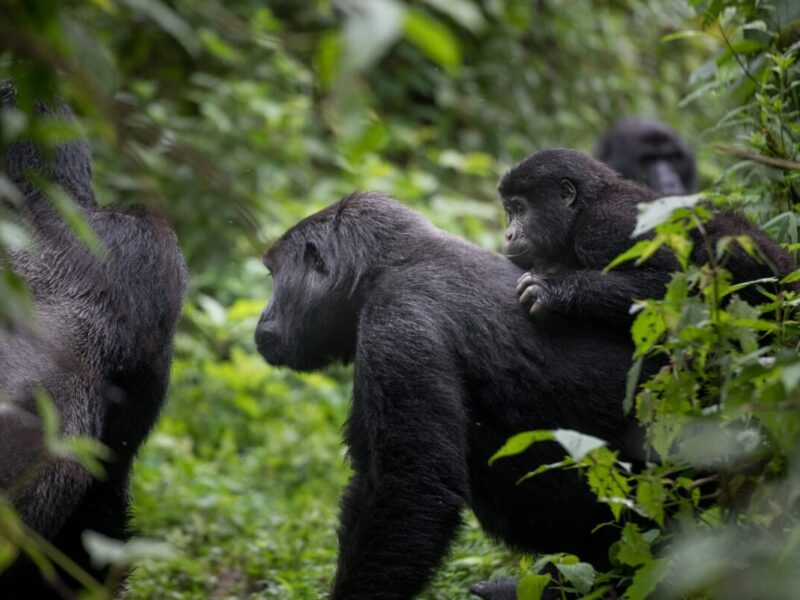
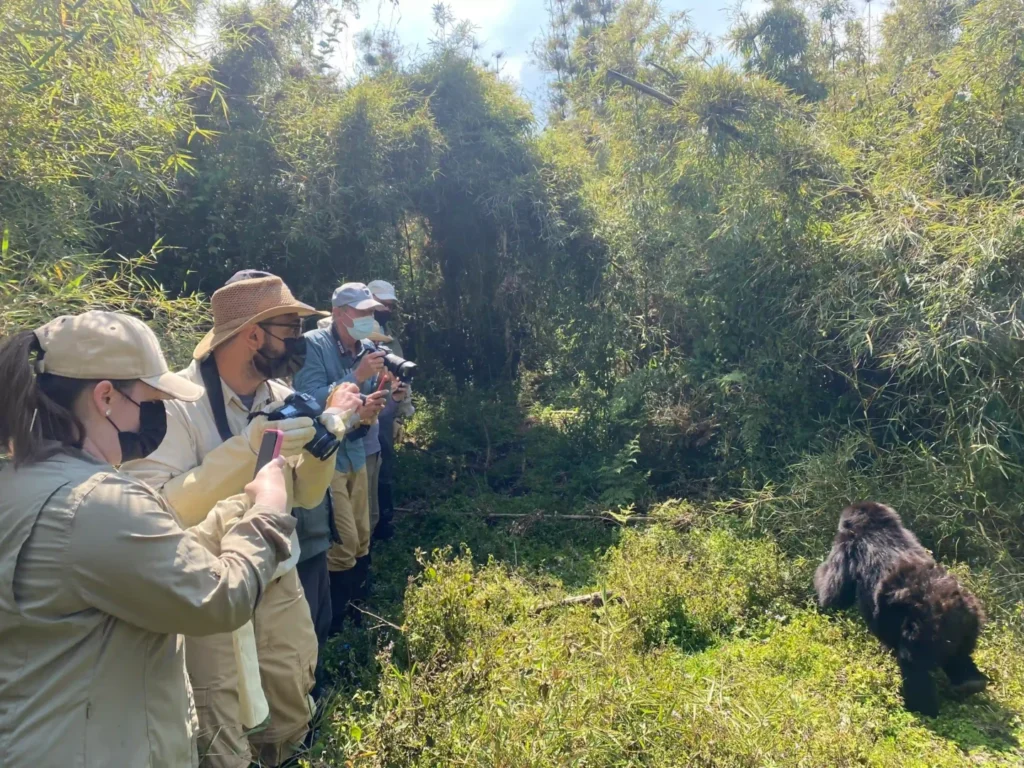
Mountain gorilla permits are among the most sought-after wildlife experiences on the planet, and they sell out months ahead — particularly for the dry season (June to September and December to February). The Uganda Tourism Board officially recommends booking permits at least six months in advance for peak periods. If you are flexible, last-minute permits occasionally open up when cancellations occur, but this is a gamble not worth taking for a once-in-a-lifetime trip. Booking early through our primate safari packages ensures your permit is secured before you even book your flights.
Combine Uganda with a Neighbouring Country for Better Value
One of the smartest ways to stretch your budget is to combine Uganda with Rwanda or Kenya into a single multi-country safari. When you share transport costs, guide fees, and accommodation across a longer itinerary, the per-day cost drops considerably. For example, flying into Kigali and out of Entebbe — or vice versa — eliminates the need for a return international flight to the same hub, saving hundreds of dollars on airfare alone. Browse our East African destinations page to see which combinations work best for your travel style and timeline. Rwanda’s gorilla trekking is world-class too — visit the Rwanda Development Board for details on what the country offers beyond primates.
Choose the Right Safari Category for Your Budget
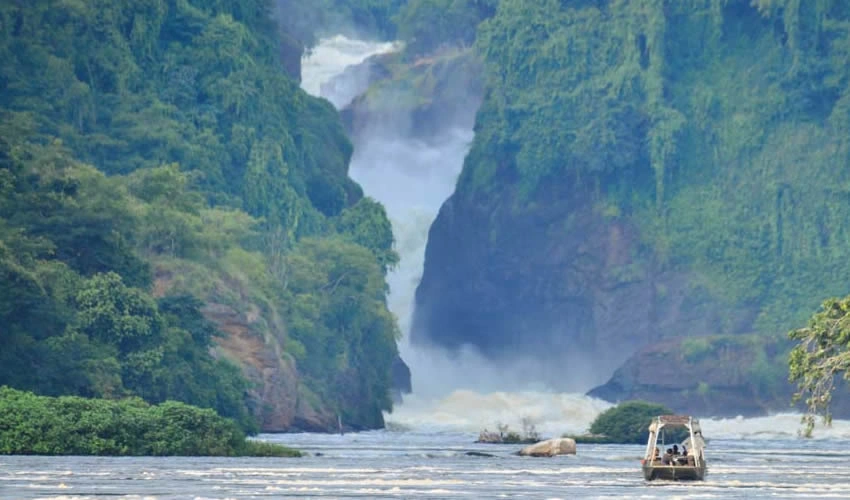
Uganda is not a one-size-fits-all destination. Whether you want a classic wildlife drive through the savannahs or an immersive primate-focused journey, choosing the right safari category keeps your spending aligned with your priorities. If budget is a concern, a focused primate safari concentrating on gorilla and chimpanzee trekking is far more cost-effective than trying to do everything at once. Alternatively, if wildlife diversity is your goal, a Big Five safari in Murchison Falls or Kidepo Valley offers incredible game viewing at price points that are more accessible than comparable experiences in Kenya or Tanzania. For context on what qualifies as Big Five wildlife, the IUCN Red List provides the conservation status and habitat information for each species.
Travel in a Small Group to Split Shared Costs
Private safaris are luxurious but come at a premium. Opting for a small-group safari — typically two to six travellers — allows you to split the cost of a private vehicle, guide fees, and park entry across multiple people, bringing the per-person cost down dramatically. Many travellers book as couples or small families and find that the experience feels just as personalised as a fully private tour. Check our tours page for group-friendly itineraries that balance cost and intimacy without compromising on guide quality or wildlife access.
Consider a Fly-in Safari to Save Time and Reduce Hidden Costs
Long overland drives between national parks can sound like an adventure, but they add hidden costs in fuel, driver fees, and lost time. A fly-in safari between destinations like Entebbe, Bwindi, and Kidepo can actually be more economical when you factor in what you save in accommodation nights, driver costs, and the sheer efficiency of arriving fresh and ready to track. Charter flights within Uganda are more affordable than most travellers expect, especially when split across a group, and the time saved gives you more game-viewing hours — which is the whole point.
Pack Smart and Prepare for Park Entry and Activity Fees
Beyond gorilla permits, Uganda’s national parks charge separate entry fees managed by the Uganda Wildlife Authority. Activities such as chimpanzee tracking, boat cruises on the Nile, and nature walks all carry individual costs that can add up unexpectedly. Before you travel, review the full fee schedule at the Uganda Wildlife Authority website to budget accurately. Similarly, Kenya’s fee structures are published by Kenya Tourism if your itinerary crosses into the Maasai Mara. Knowing these costs upfront prevents the kind of budget surprises that can take the joy out of an otherwise perfect trip.
Book Directly and Ask About Custom Itineraries
Package tours sold through international travel aggregators often carry substantial markups. Booking directly with a local operator gives you access to real-time pricing, insider knowledge about seasonal conditions, and the flexibility to customise your itinerary without paying a premium for modifications. Our team is available to answer every question and build a trip around your exact budget and interests — simply visit our contact page or read more about us to understand our approach to personalised, responsible tourism.
Uganda is an extraordinary safari destination with a price-to-experience ratio that few places in Africa can match. With the right timing, smart destination combinations, and a clear understanding of what your permit and park fees cover, it is entirely possible to experience world-class wildlife without overspending. Visit our blog for more destination guides, travel tips, and itinerary inspiration as you plan the safari of a lifetime.